
The same tide that brought us here, it’ll take us back again
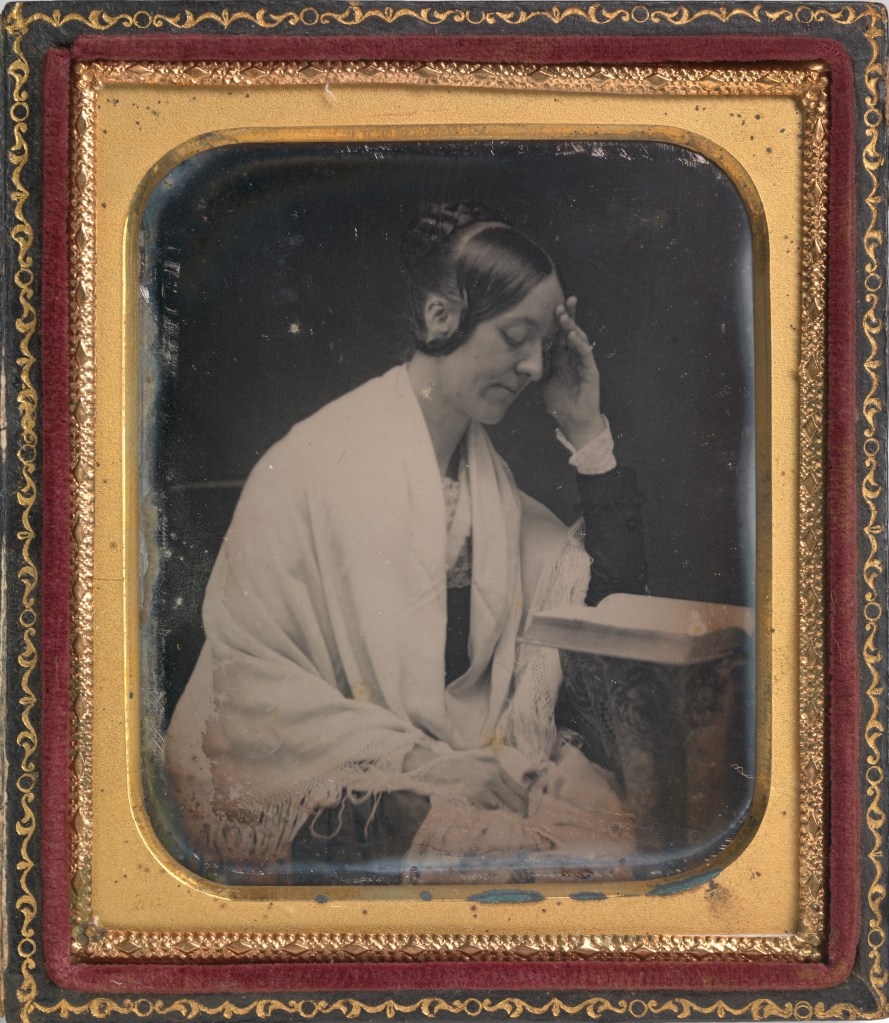
A guest blog post from my wife, bandmate, and creative partner Lynne Adele.
As songwriters and bandmates in our music project Swarme of Beese, Stephen and I are often inspired by our shared love of history and the ways that stories interconnect. “Wreck of the Elizabeth,” a track on our recently released 4th album, Orchard of Dreams, is the result of a research dive into the compelling story of Margaret Fuller. Although she was considered one of the great minds of 19th-century New England, Fuller has often been overlooked as a sidenote to her more famous male counterparts. We began to imagine her remarkable life and tragic death as an epic film, and we wanted the song to capture some of that cinematic feeling.
On 17 May 1850, the 3-masted barque Elizabeth set sail for New York from Livorno, Italy, with a crew of 14, a heavy cargo of Carrara marble, and the sculptor Hiram Powers’ newly completed statue of the notorious pro-slavery politician John C. Calhoun. Also on board were 5 passengers — most notably, the trailblazing American journalist, feminist writer, and influential member of the Transcendentalist movement Margaret Fuller, who would celebrate her 40th birthday 6 days into the voyage.
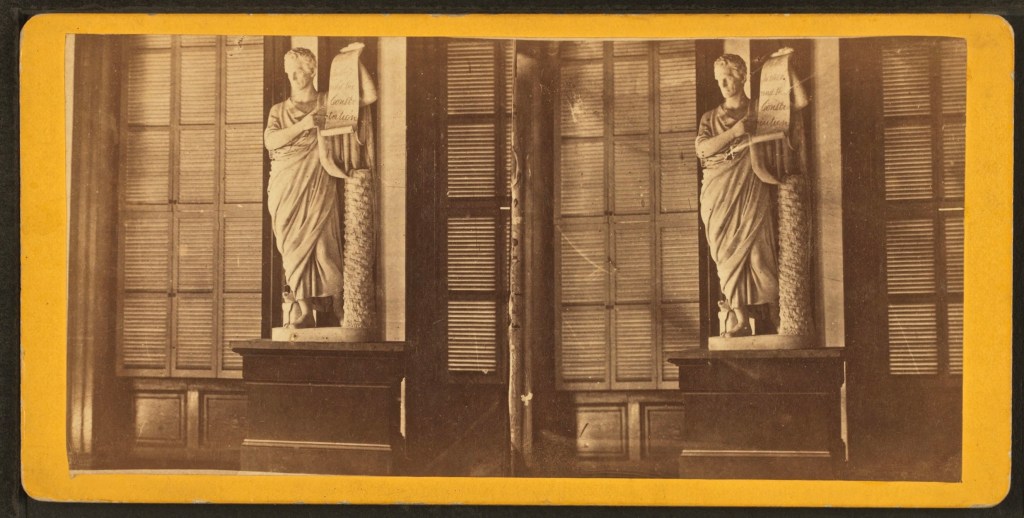
A close associate of Ralph Waldo Emerson and Henry David Thoreau, Fuller served as the first editor of Emerson’s journal The Dial, in which she would later publish her groundbreaking essay “The Great Lawsuit. Man versus Men. Woman versus Women,” calling for full equal rights for women. In 1845, she published the expanded essay as the seminal feminist book Woman in the Nineteenth Century. She also advocated for social justice reforms including the abolition of slavery and improving prison conditions, and addressed the issues of poverty, homelessness, and the displacement of Native Americans.
Often finding herself the only woman in settings then reserved exclusively for men, Fuller was a woman ahead of her time, with a long list of barrier-breaking achievements. Exceptionally well read, she was the first woman allowed to use the Harvard College Library. Joining the staff of the New York Tribune as the nation’s first full-time book reviewer, she subsequently became the first female foreign news correspondent for a US newspaper and was a pioneer in the field of war correspondence.
While in Rome covering the Italian uprisings of 1848, she met and fell in love with the revolutionary Giovanni Ossoli, gave birth to their son, and supported the cause of the short-lived Roman Republic. When the revolution failed, the couple were forced to flee Italy with their infant son Angelino, the child’s nursemaid Celeste Paolini, & Horace Sumner, a member of a prominent Boston family.
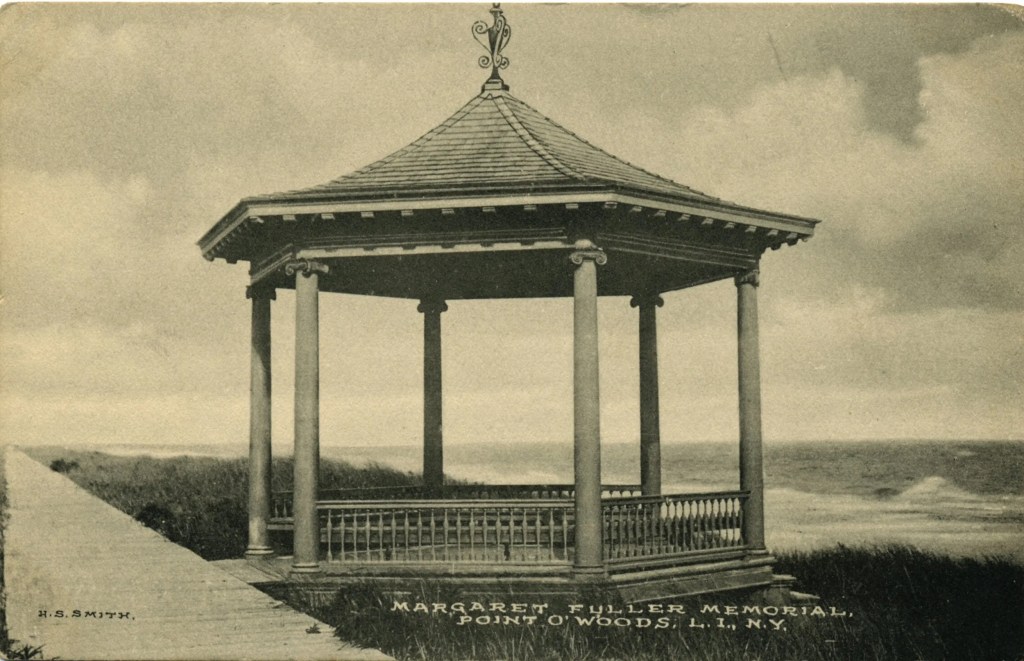
A week into the voyage, the ship’s captain fell ill with smallpox. Elizabeth spent a week anchored in quarantine off Gibraltar, where the captain died, before sailing on under the command of the ship’s first mate. The infant Angelino then came down with the illness but recovered. After 5 more weeks at sea, nearing her destination in the early morning hours of 19 July, the ill-fated ship sailed into a violent storm. The inexperienced first mate lost his bearings, and the ship struck a sandbar off Fire Island, New York. The massive marble blocks crashed through the hull, the waterlogged ship broke apart, and the statue of Calhoun sank to the ocean floor. Several crew members and all 5 passengers perished. Margaret, Giovanni, and Horace were swept out to sea; their bodies were never recovered.
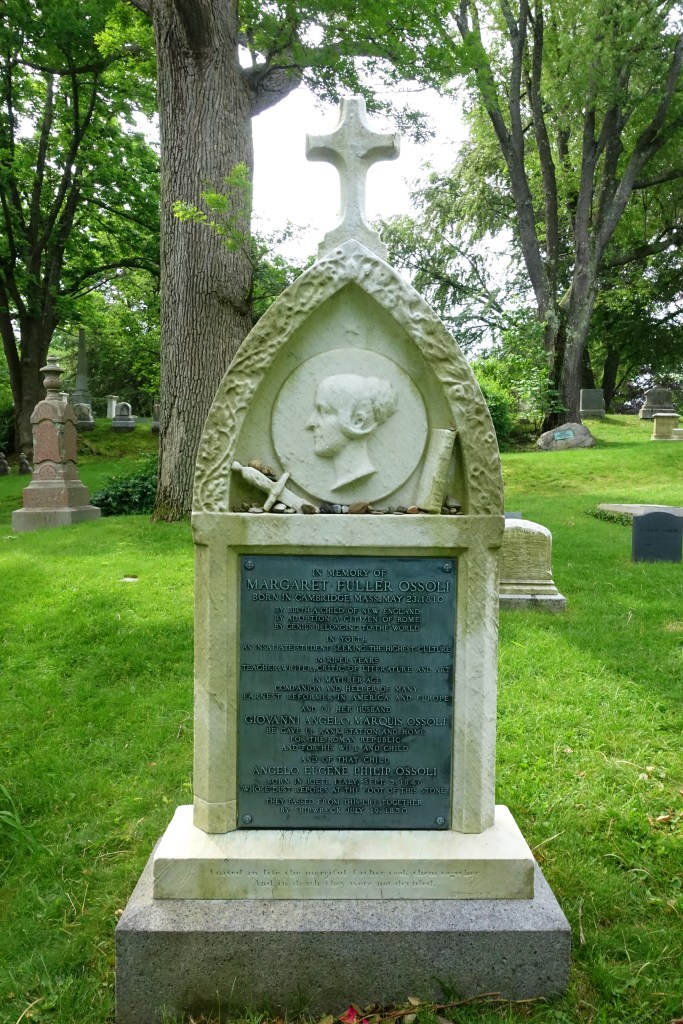
Emerson dispatched Thoreau to Fire Island to search for the bodies and for Fuller’s journals, correspondence, and the manuscript about the revolution she had planned to publish as a book upon her return. But only the bodies of little Angelino and Celeste and a few of the family’s personal effects were ever found. Thoreau’s original penciled notes detailing his search are housed at Harvard’s Houghton Library.
The song takes us to the scene of the wreck, where the narrator stands symbolically alongside Margaret, and suggests greater, multilayered implications that resonate far beyond the facts of the doomed voyage. After I’d written the melody and lyrics, the instrumentation and production captured the intense, emotional drama of the shipwreck and its aftermath — an event later described as the death of 19th-century feminism. Headphones strongly recommended!
—Lynne Adele

